Landing page vs website: which one do you need?
A website explains your whole business. A landing page asks one person to do one thing. Here’s how to pick, and when you need both.
The short version
- A website is your shop window: everything about your business, for anyone who comes looking.
- A landing page is one page with one job, usually for people arriving from an ad or a campaign.
- If people search for you, start with a website. If you’re about to pay for ads, you need a landing page too.
People use these words as if they mean the same thing. They don’t, and mixing them up is one of the most common ways small businesses waste ad money. Here’s the difference in plain terms.
What a website is for
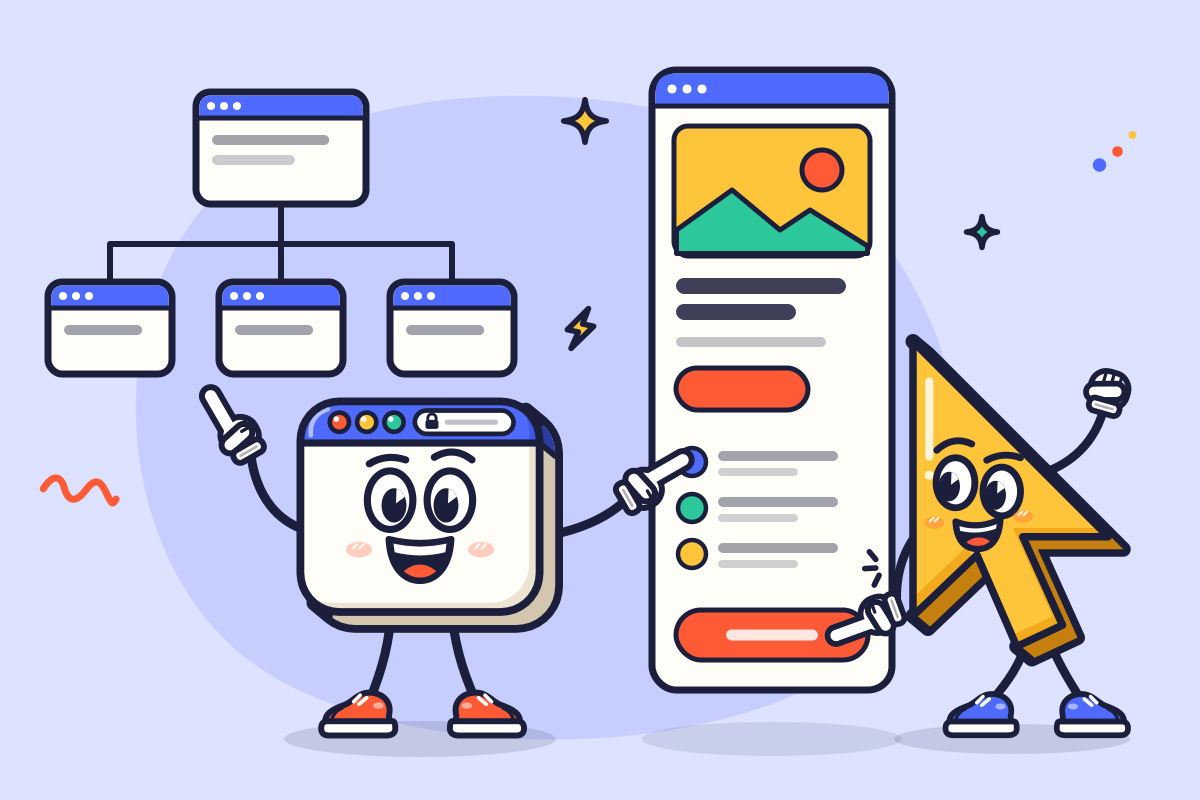
A website answers every reasonable question someone might have about your business: what you do, where, for how much, who’s behind it and how to reach you. Visitors arrive from everywhere (Google, your van, a friend’s text) and they wander. Some want prices, some want your hours, some want proof you’ve done this before. So a website has a menu, several pages and more than one way to get in touch.
What a landing page is for
A landing page is built for one visitor arriving with one thing on their mind. They clicked an ad that said “Spring AC tune-up, $89,” so the page they land on talks about the spring AC tune-up, shows the $89, and asks them to book it. Usually no menu, no other services, no detours. One page, one offer, one button.
| Website | Landing page | |
|---|---|---|
| Job | Explain the whole business | Get one action |
| Visitors come from | Search, word of mouth, anywhere | An ad, an email, a campaign |
| Pages | Several | One |
| Menu | Yes | Usually not |
| Success looks like | People find what they need and get in touch | People who clicked the ad take the action |
Why ads shouldn’t send people to your homepage
Picture the click from the customer’s side. They tapped an ad about one thing. Your homepage greets them with everything: six services, an about section, a photo of the team. Now they have to hunt for the thing they came for, on a phone, in a hurry. Plenty won’t bother.
A landing page fixes that by matching the ad. Same promise, same price, same picture, and the button right there. You’re paying for every click, so it’s worth sending each one somewhere built to finish the job.
Start with a website if…
- People already search for your name or your kind of business in your area.
- You get referrals, and those people look you up before they call.
- You offer several services, and customers need to find the right one.
- You don’t have a site yet, or the one you have is hurting more than helping.
Start with a landing page if…
- You’re about to run ads on Facebook, Instagram or Google.
- You’re launching one thing: a new service, a seasonal offer, an event.
- You want to test whether an idea gets bites before you build it out.
- You already have a decent website, but it isn’t built around the offer you’re pushing.
What a good landing page has
- A headline that matches the ad. If the ad said “$89 tune-up,” so does the page, in the first line.
- One clear action. Book, call, claim, buy. Pick one and repeat it down the page.
- Real proof. Photos of your actual work, genuine reviews, licenses. Never made-up numbers or quotes.
- The answers to “but…” What does it cost? How long does it take? What if I’m not home? Answer the doubts before they become a reason to leave.
- Speed on a phone. Ads on Facebook and Instagram are mostly seen on phones. Keep the page light.
What a good small-business website has
- A homepage that says what you do and where within a few seconds.
- A page per main service, so each one can be found and explained properly.
- Prices, or at least how pricing works.
- Your phone number, hours and service area, easy to find on every page.
- An honest about section, so people know there’s a real business behind it.
We wrote up the small details that make a local site look trustworthy in 7 fixes that make a local business site look legit.
Can one page do both?
Sometimes. A simple business with one main service can do well with a single, well-made page that works as both website and landing page. Once you have several services, or you’re running more than one ad offer, give each offer its own page. It’s cheaper than paying for clicks that bounce.
The quick way to decide
Ask where your next customer is coming from. If they’re searching or asking around, they’ll judge your website. If they’re coming from an ad you’re paying for, they need a landing page that matches it. Most growing businesses end up with both: one website, plus a landing page for each campaign.
Not sure which to do first? Take the five-tap quiz and we’ll point you in the right direction. If it’s one page you need, the Doo-Over on our pricing covers a landing page or homepage, designed, built and live.